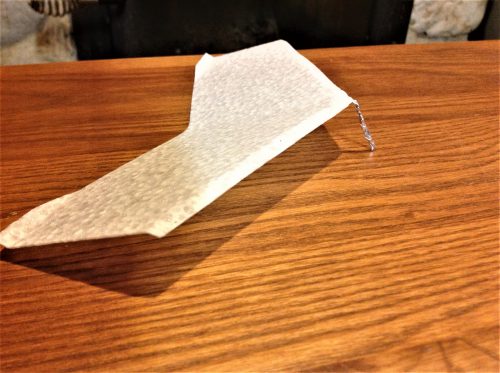
Make the Thompson Jagwing

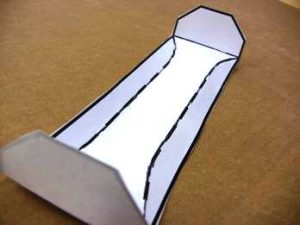
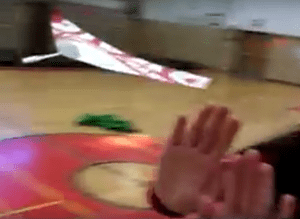
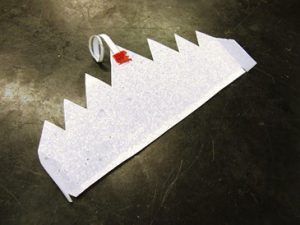
Invented by a then engineering student named Michael Thompson, the Jagwing is a good first walkalong glider. The points create lift by forming spinning vortices of air. It's easy to make, is easy to steer and it has great resistance to stalling.

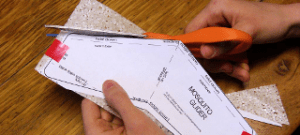
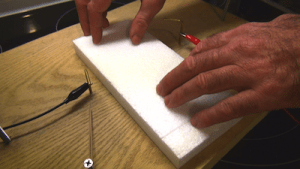
This is a rough-cut video with no sound, but good instructions for making the best design to start with: from pre-shaped sheets, from rectangular sheets and also how to mass-produce the folding with a bending jig.

Note: Depending on what kind of foam you are using, you'll have to experiment with the front weight.

I'd like to know how this project goes for you. I'm happy to answer questions about it. Feedback from you is an important way for me to know what works and what needs clarification.

Make a Tumblewing

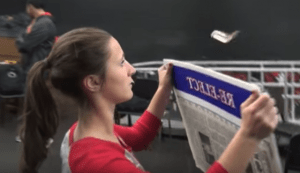
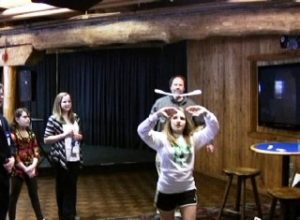
Astonishing! You are flying a piece of paper, surfing it on a wave of air created with cardboard. There are many branches of walkalong gliding, but the Big Mouth Tumblewing is the easiest way to start. You only need phone book paper or newspaper. This video starts with a introduction, then instructions for making and flying tumblewings.

Links

Make and Fly a Tumblewing Instructions

More Tumblewing Instructional Videos

Here are some other instructional videos about making the classic, original tumblewings. This one is by John Collins (The Paper Airplane Guy and tumbling wing inventor).

Here are some by Phil Rossoni.

And here is Phil's Instructables page.

Once you master making and flying tumblewings, the next logical step is foam gliders.

I'd like to know how this project goes for you. I'm happy to answer questions about it. Feedback from you is an important way for me to know what works and what needs clarification.

Make Paper Walkalong Gliders

New Spinning Glider Design

I have a new spinning paper glider design (and video) that is better than previous designs. It is just 3 folds on a strip of newspaper (“phone book paper” is not needed, unlike previous designs). The 20 minute video is unlisted while people test it and send feedback to improve the final, public version—and I would like more feedback. I need the fresh perspectives of people who are new to spinning paper gliders and are using the video as their only instruction. If you would like to participate, email me and tell me you’ll make the glider and provide some feedback, and I’ll send the YouTube link. It doesn’t have to be long—could be one short sentence. Of course, if you are able to go into more detail, how it might be improved, what could be presented more clearly, pacing etc. of course I appreciate that.

Dihedral Magnus Effect Gliders

There are many branches of walkalong gliding, but the Dihedral Magnus Effect Glider is the easier way to start.

Big Mouth Tubmlewing

You only need phone book paper or newspaper to make a Big Mouth Tumblewing

Tumblewing

It's harder to fly than the other two, but it's good practice.

Origami Hang Glider

These are very difficult to get right. Unlike the spinning gliders, Origami Hang Glider is an advanced project.


I'd like to know how this project goes for you. I'm happy to answer questions about it. Feedback from you is an important way for me to know what works and what needs clarification.

Surf an Origami Big Mouth Tumblewing on a Wave of Air

Astonishing! You are flying a piece of paper, surfing it on a wave of air created with cardboard.

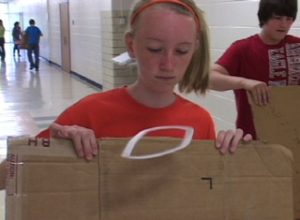
Next to the dihedral magnus effect glider, the Big Mouth Tumblewing is the easiest way to start flying a walkalong glider. You only need phone book paper or newspaper. The pattern here.  This video starts with a introduction, then instructions for making and flying tumblewings.

"Flying Fish" or spinning blimps are simple and quick to make, and you can fly them as walkalong gliders.


I'd like to know how this project goes for you. I'm happy to answer questions about it. Feedback from you is an important way for me to know what works and what needs clarification.

Make Your Own Walkalong Gliders

Make Your Own Walkalong Gliders

Make a Baby Bug Walkalong Glider

This video is a little rough, without sound, but the method is much simpler and faster than the old way. Also, the way to find the balance between stalling and diving is clearly laid out. The PDF cutting/folding pattern is here--no "fit to page" or scaling (100% scale is ok).

Make the Thompson Jagwing

Invented by a then engineering student named Michael Thompson, the Jagwing is a good first walkalong glider.

About Front Weight

Why you need front weight on "flying wing" gliders, what to use, and how to adjust them.

Make Paper Walkalong Gliders

Paper Walkalong gliders are harder to launch and fly. But paper is free and it’s good practice.

I'd like to know how these projecst go for you. I'm happy to answer questions about it. Feedback from you is an important way for me to know what works and what needs clarification.


About Front Weight

Why You Need Front Weight on "Flying Wing" Gliders, and What to Use

Notes: 

  1. I do not include weights when I send boxes of foam sheets because the sheets can be made into various gliders, requiring diffenent weights. But don't worry. You can easily make your own weights at no cost or almost no cost
  2. If a video would be helpful for figuring out front weight, then skip through this video until 6:32 (or 6:10 if you are unsure about folding angles too).

Why you need front weight.

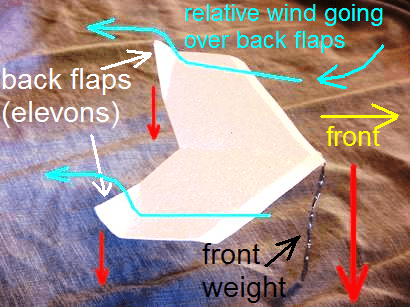
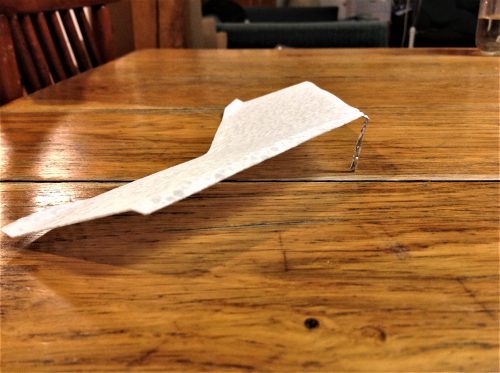
Mosquito, Jagwing and other "flying-wing" type air-surf gliders--that are all wing and no tail--are the best to fly as walkalong gliders. Since they do not have a tail, they need weight in the front and flaps in the back for stable flight. Here’s how it works:

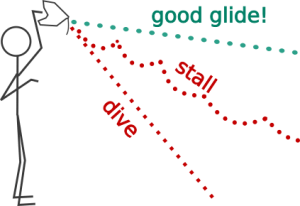
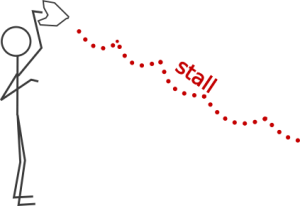
If you drop a glider with rear flaps but not enough front weight, it stalls.

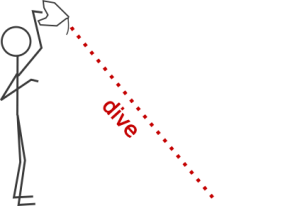
If there is too much weight in front and/or not enough bend in the rear, then the glider dives.

When the rear flaps (elevons) and the front weight are balanced the glider does not stall or dive.

As per Newton’s 3rd law of motion (action and reaction), when air is forced up by the back flaps, the reaction is that the back of the glider is forced down, which is the opposite of a dive. When you get it adjusted correctly, the front weight and back flaps balance out each other perfectly. The weight prevents stalling and the flaps prevent diving. The result is efficient, stable, elegant gliding!

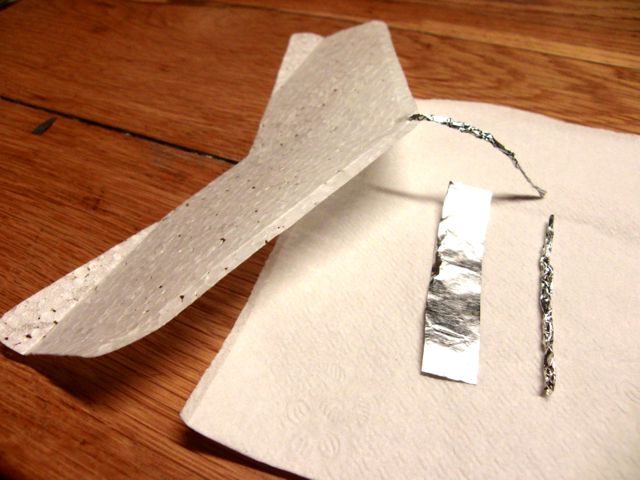
What to use for front weight: aluminum foil, copper wire

Aluminum foil

We think of aluminum as a lightweight metal--and it is compared to other metals--but it is still over twice as dense as water.

A strip of aluminum foil about 13 mm (1/2") wide, then crushed and rolled into a sort of wire, is an excellent front weight.

Aluminam foil is more widely available but it can be a lot of work if you are making lots of gliders.

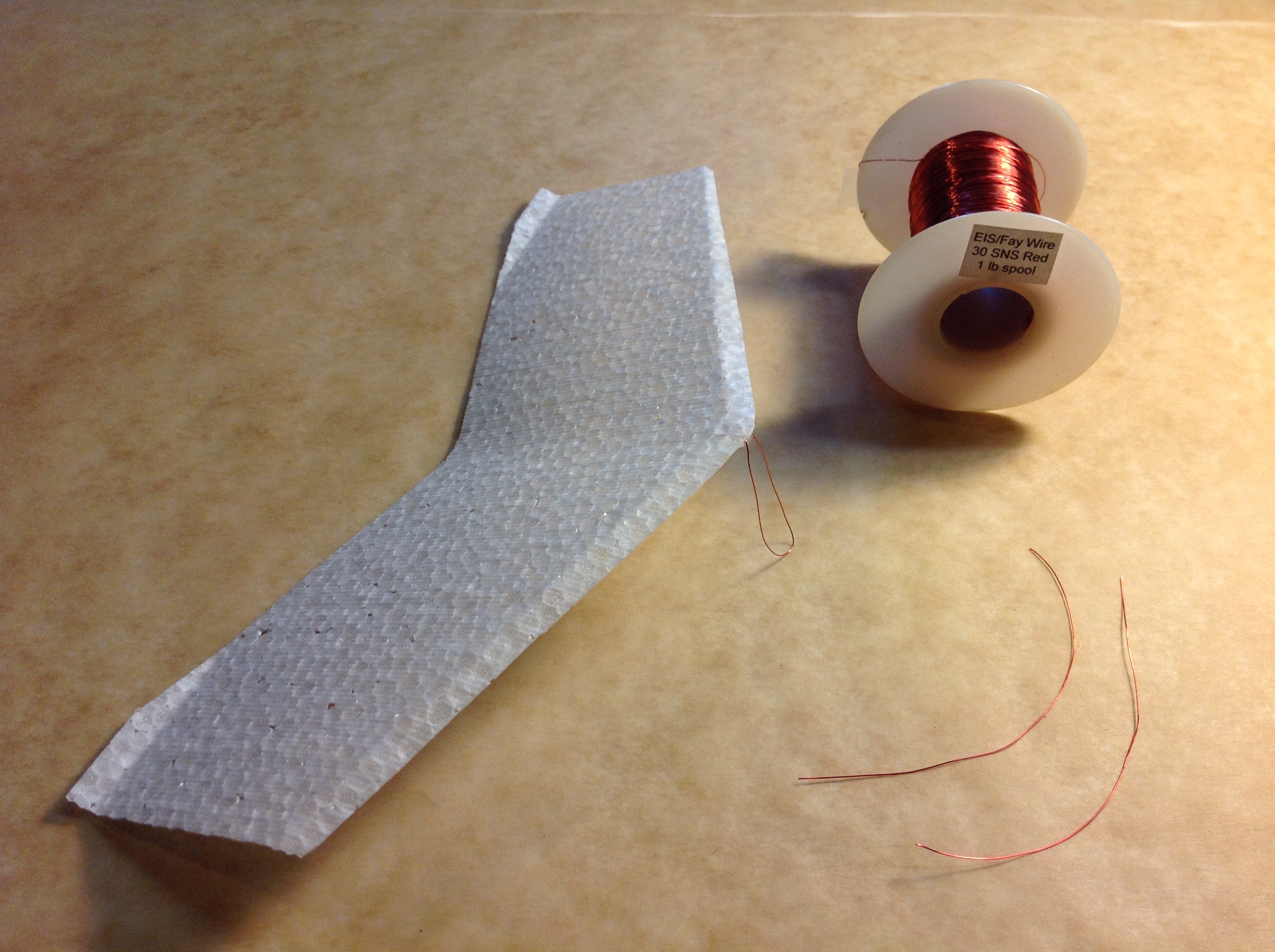
Copper Wire

copper wire works better if you are making a lot and you want fast production.

The easiest way to adjust front weight.

Getting “flying wing” gliders adjusted will become intuitive and easy, but it can be confusing at first. I suggest starting by:

  1. Bend the back flaps (elevons) to about 45 degrees up, then…
  2. Add weight to the front until the glider does not stall in test flights. But it the glider dives, you might have too much weight. Then, when you are close...
  3. If the weight is long and thin, you can micro-adjust by bending it more forward if it stalls, or more back if it is diving. This shifts the "center of gravity" or balancing point of the glider. Bending forward is just like adding more weight. Bending backward is just like cutting off weight.

Contact me if you still have trouble with getting gliders adjusted.